Table of Contents
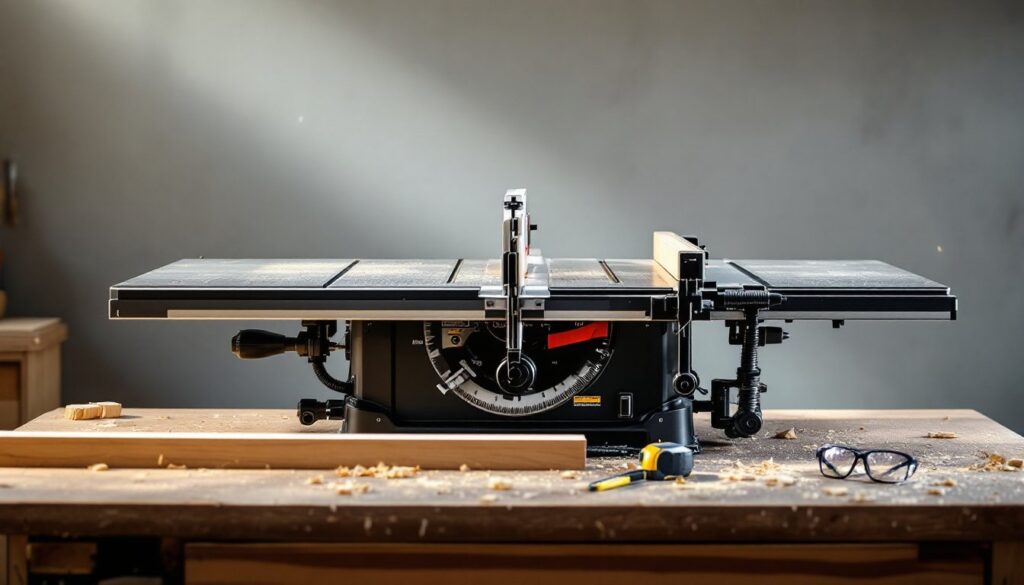
ToggleA table saw can feel intimidating if you don’t know what you’re looking at. With a motor spinning a blade at thousands of RPM and so many moving parts, it’s easy to see why some DIYers treat it like a mysterious black box. But understanding the major components, what each part does and how they work together, transforms your relationship with the tool. You’ll feel more confident making adjustments, spotting maintenance needs, and most importantly, staying safe. This guide walks through the essential parts of a table saw, so you know what you’re dealing with before you flip the switch.
Key Takeaways
- Table saw parts including the blade, motor, fence, and safety guards work together to deliver accurate cuts and prevent dangerous kickback incidents.
- Understanding blade selection—crosscut blades with 60-80 teeth, rip blades with 24-40 teeth, or combination blades with 40-50 teeth—directly impacts cutting quality and speed for different woodworking tasks.
- Essential safety practices include wearing eye and hearing protection, keeping the blade guard and splitter functional, and maintaining proper blade height at 1/8 to 1/4 inch above your workpiece.
- Regular maintenance such as checking belt tension monthly, inspecting for dull blades, and adjusting fence alignment yearly keeps your table saw running smoothly and extends its lifespan.
- A cast iron table surface checked with a straightedge for flatness and a quality rip fence adjusted parallel to the blade are critical for precision cuts without binding or drift.
- Investment in proper table saw parts and safety features—not optional upgrades—provides the foundation for confident, accurate woodworking and injury prevention.
The Blade and Cutting Head
The blade is the heart of the saw. Most contractor and cabinet saws use blades ranging from 8 to 10 inches in diameter, with 10-inch being standard for full-size stationary models. The blade arbor, a shaft that holds and spins the blade, runs through a component called the tilting mechanism or blade tilt assembly, which lets you angle the blade for bevel cuts.
Blade selection matters. A crosscut blade has around 60–80 teeth for clean cuts across the grain, while a rip blade has 24–40 larger teeth for faster cuts along the grain. Combination blades with 40–50 teeth split the difference and work reasonably well for both tasks. The higher the tooth count, the slower you feed material but the smoother the cut.
The arbor nut, a simple but critical fastener, holds the blade secure. Always remember: the arbor nut on most American saws turns left-hand thread (reverse of standard bolts), so you turn it counterclockwise to tighten. This prevents the blade from unscrewing during operation.
The blade guard, a clear plastic or metal shroud above the blade, protects your hands and face from the spinning blade. It also houses the dust port, a connection point for a shop vacuum or dust collection system. Don’t skip this, reducing dust improves visibility and protects your lungs.
The Motor and Power System
Most stationary table saws use either a 1.5 HP to 3 HP single-phase AC motor (for home shops) or three-phase motors (in commercial settings). The motor’s power directly affects your ability to rip thick hardwoods without bogging down. A 2 HP motor is the practical sweet spot for serious home workshop use.
The motor is connected to the blade arbor via a belt and pulley system. The drive belt, typically a V-belt or serpentine belt, transfers rotational force from the motor to the arbor. Belt tension is critical, too loose and the belt slips, losing power: too tight and you strain the bearings. Check tension by pressing on the belt midway between pulleys: it should deflect about 1/2 inch under thumb pressure.
The arbor bearings support the spinning shaft. Quality saws use preloaded ball or roller bearings that run smooth and quiet. Worn bearings create vibration and chatter marks on your workpiece. If your saw suddenly feels rougher during operation, bad bearings are often the culprit.
The on/off switch is your lifeline. A good switch should feel substantial and have a safety feature, usually a button you must press and hold, or an emergency stop that’s easy to find. Avoid old saws with unreliable switches: a saw that won’t turn off is a dangerous saw.
The Base, Fence, and Support Structure
The base or cabinet is the foundation. Cabinet saws have an enclosed cabinet that traps dust and acts as a resonance chamber: contractor saws sit on an open frame. Cabinet saws are heavier, more stable, and quieter, but cost more and take up space. Contractor saws are lighter, portable, and cheaper, a real asset for jobsite work.
The fence is your precision component. A straight, parallel fence is non-negotiable for accurate rip cuts. The rip fence, typically an aluminum or steel rail, slides along the fence rails mounted to the saw table and locks parallel to the blade. Fence alignment should be checked regularly with a straightedge and adjusted if drift develops over time.
The miter gauge is an L-shaped tool that rides in a miter slot, a groove running parallel to the blade, allowing crosscuts and angled cuts. Standard miter slots are 3/4 inch wide and spaced 27 inches apart (a universal standard). A quality miter gauge should glide smoothly without binding or rocking side to side.
The saw table itself is typically cast iron on quality models, prized for flatness and durability. The table surface should be flat within a few thousandths of an inch. Check flatness with a long straightedge: a warped table causes binding and inaccurate cuts. Many woodworkers seal and wax the top surface regularly to prevent rust and reduce friction.
Safety Features and Guards
The blade guard and splitter system is your primary defense. The splitter is a thin blade-like insert positioned just behind the saw blade, aligned with the blade’s kerf (cut width). It keeps the wood from pinching the blade and kicking back toward you, one of the most dangerous accidents in woodworking.
The kickback pawls (or anti-kickback fingers) are small teeth attached to the guard assembly that pivot down onto the workpiece. If the saw blade grabs the wood and tries to throw it backward, these pawls dig in and prevent the throw. Always check that they move freely and aren’t clogged with dust.
The riving knife is similar to a splitter but extends above the blade height for added safety on newer models. Not all older saws have them, but if yours does, don’t remove it, it’s there for good reason.
Wear safety glasses every time the blade spins. Splinters and dust fly constantly. A dust mask or respirator (especially for dense hardwoods) prevents inhalation of fine particles. Hearing protection is often overlooked but necessary, sustained table saw noise exceeds 90 decibels. Never wear loose clothing, rings, or gloves near a running blade: they can catch and pull your hand in. Long hair should be tied back or covered.
These parts aren’t optional upgrades. They’re engineered to prevent injury. Keep them in place and functional.
Adjustment and Measurement Components
The blade elevation wheel and tilt wheel let you adjust blade height and angle. Blade height should clear the workpiece by about 1/8 to 1/4 inch, higher than that is unnecessary and reduces safety. Both wheels should turn smoothly: if they’re stiff or grinding, bearings may be failing.
The depth scale (marked on the elevation mechanism) shows blade height: most have fine graduations but aren’t precision instruments. For critical height-dependent cuts (like dados or mortises), measure directly with a caliper or rule after setting the blade.
The angle scale (on the tilt mechanism) indicates blade tilt. Like the depth scale, it’s a rough guide. Always test your angle on scrap before committing to your workpiece.
The handwheels should operate with moderate resistance, enough to feel intentional but not so much that you strain. If one spins freely without moving the mechanism, the internal worm gear or coupling may be worn.
Some saws have laser guides or table inserts with measurement grids to help with layout. Nice to have, but not essential. A pencil line and careful measuring tape work just as well. Quality woodworking project plans often include exact measurement references that guide your setup.
Maintenance Tips for Long-Lasting Performance
Keep your saw running smoothly with regular, simple maintenance. Monthly: Check belt tension, wipe the table surface with a dry cloth, and inspect the blade for dull spots or damage (a dull blade pulls harder and increases kickback risk). Every 3–6 months: Vacuum dust from the motor intake vents and check that all adjustment wheels turn freely.
Blade sharpening or replacement extends saw life. A sharp blade cuts cleaner, requires less feed pressure, and reduces strain on the motor. Many DIYers send blades to sharpening services for $5–15 per blade: replacements cost $30–150 depending on tooth count and material.
Table and fence alignment drift over time from vibration and use. Check fence parallelism yearly, place a straightedge along the table and adjust the fence rear bolts until it’s flush. Blade alignment to the miter slot can be checked with a test piece: if rip cuts drift, the arbor may have shifted and professional service may be needed.
Lubrication matters, but judiciously. Apply a light machine oil to the elevation and tilt mechanisms once a year. Avoid over-oiling: excess oil attracts dust and becomes gummy. Never oil the table surface, waxing is better. Many DIY tutorial resources provide detailed maintenance walkthroughs specific to your saw model. Consult your manual before attempting major adjustments: some require professional calibration.
Conclusion
Understanding your table saw’s parts builds competence and respect for the tool. From the blade and motor to the fence and safety guards, each component plays a role in accuracy and protection. Take time to learn your specific saw’s features, read the manual, and develop a maintenance routine. A well-maintained table saw becomes a trusted partner for precise, repeatable cuts. When something feels off, unusual noise, vibration, or drift, address it before it becomes dangerous. For hands-on guidance on setup and projects, workshop setup guides and tool reviews provide step-by-step advice.