Table of Contents
ToggleWhether you’re setting up a permanent home office, converting a corner bedroom into a workspace, or upgrading a cluttered desk area, your office chair is one of the most important investments you’ll make for comfort and productivity. A quality office chair isn’t just furniture, it’s the foundation of a healthy workspace. Many homeowners overlook this choice, spending more time researching a new coffee table than the chair they’ll sit in for eight hours a day. A target office chair should support your posture, adjust to your body, and last through years of daily use. This guide walks you through what matters when choosing the right chair for your home setup.
Key Takeaways
- A target office chair is a critical investment for home comfort and productivity, with proper ergonomic support reducing back pain and improving focus during six to eight hours of daily sitting.
- Look for adjustable lumbar support, proper seat height and depth, arm positioning at 90 degrees, and a sturdy five-star base to ensure your office chair supports your spine’s natural curve and promotes healthy posture.
- Mid-range office chairs ($400–$800) offer the best value for home offices, providing genuine ergonomic features and quality materials without the premium price tag of commercial-grade options.
- Test chairs in-store for at least five minutes before buying, verify return policies (30–60 days is standard), and read verified owner reviews to catch red flags like gas cylinder failure or durability issues.
- Quality matters in invisible components: invest in chairs with high-quality gas cylinders, durable upholstery with a rub count of at least 50,000 cycles, and smooth-rolling casters matched to your flooring type.
- Consider your space constraints and aesthetic preferences when selecting a target office chair—measure clearance for reclining and choose colors or designs that fit your home office décor for long-term satisfaction.
Why Your Office Chair Matters for Home Comfort and Productivity
If you’re working from home, you’re likely sitting for six to eight hours straight. That’s roughly 1,500 to 2,000 hours a year in one chair. A poor seating choice compounds over time, your back, neck, and shoulders take the brunt of it. Studies consistently show that proper ergonomic support reduces neck and lower back pain, improves posture, and even boosts focus. When you’re not fighting discomfort, you work faster and with fewer breaks.
Your home office deserves the same attention as a professional workspace. Unlike your couch or a folding chair, a proper office chair is designed to support your spine’s natural curve, keep your feet flat, and position your arms at a comfortable angle for typing and mousing. The financial payoff is real too, preventing back injuries or chronic pain is far cheaper than treating them. A target office chair that fits your needs eliminates daily aches and keeps your productivity on track.
Key Features to Look For in a Quality Office Chair
Lumbar Support and Ergonomic Design
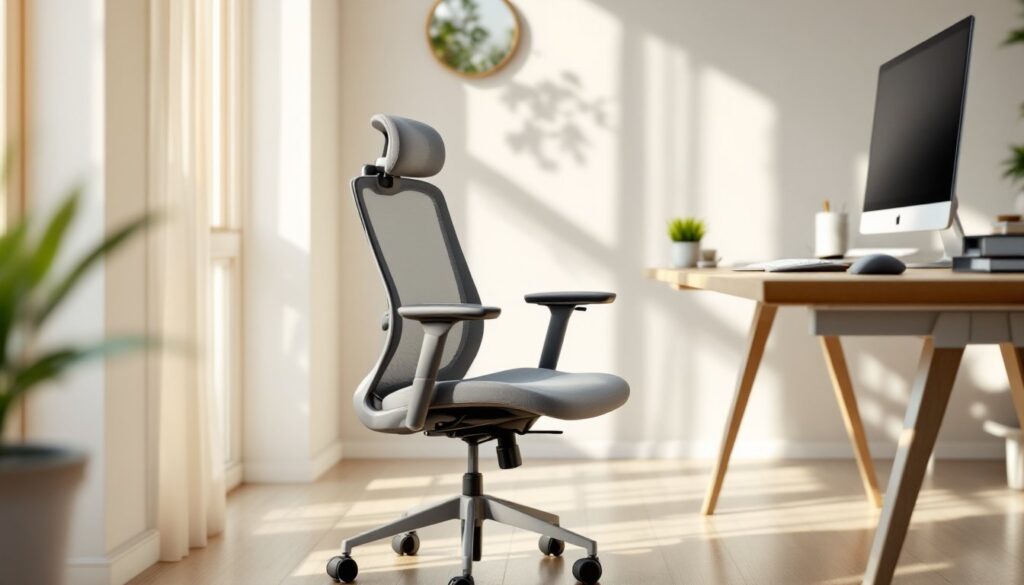
Lumbar support is the cornerstone of a good office chair. Your lumbar spine, the lower back, naturally curves inward, and a proper office chair should maintain that curve while you sit. Look for chairs with adjustable lumbar support, which lets you dial in the support height and firmness to your spine. A fixed lumbar curve works for some, but adjustable support accommodates different body types and seating preferences.
Seat height and depth matter too. Your feet should rest flat on the floor (or a footrest) with your knees at a 90-degree angle. The seat should be deep enough to support your thighs without pressing into the back of your knees, typically 16 to 18 inches deep for average adults. Arm height is often overlooked: your elbows should bend at roughly 90 degrees when typing, keeping your shoulders relaxed and wrists neutral. A quality office chair adjusts all these dimensions rather than forcing you to adapt to it.
Seat tilt and recline function matter, too. A slight backward tilt (called seat pan tilt) reduces pressure on your lower back during longer work sessions. Some chairs offer multi-position locking, which lets you lock the chair in an upright position or tilt it back with adjustable resistance. This flexibility keeps your seating dynamic throughout the day.
Material, Adjustability, and Durability
Fabric and mesh are the two main material choices. Mesh breathes better and is easier to clean, making it ideal if you’ll sit in the chair year-round or in a warm climate. Fabric tends to hold warmth but often feels softer and can hide dust better. High-quality mesh should be breathable enough that you don’t feel heat buildup after an hour of sitting: cheap mesh can feel thin and inadequate. Upholstered fabric should be durable, look for materials with a rub count of at least 50,000 cycles, which means it can withstand years of regular sitting and shifting.
Base and wheels are often forgotten details. A five-star base (five-pointed leg) is more stable than a four-star, especially if you tilt or swivel frequently. Wheels (called casters) should roll smoothly on your flooring: soft casters work best on hard floors like tile or laminate, while harder casters grip carpeted surfaces better. Swivel and smooth rolling should feel effortless, not sticky or stiff.
Weight capacity matters for durability and safety. Most office chairs are rated for 200 to 300 pounds: commercial-grade or heavy-duty options go higher. Stay within the manufacturer’s spec to prevent premature wear on cylinders, springs, and joints. A target office chair with a slightly higher weight rating than your actual weight gives you a safety margin and longer usable life.
Gas cylinder quality is critical but invisible. A chair should lower and stay at your chosen height without slowly sinking throughout the day. High-quality cylinders use better seals and materials and typically come with longer warranties (3 to 5 years). Cheap cylinders fail quickly, leaving you sinking an inch lower every month.
Setting Your Budget and Finding the Right Fit
Office chairs range from $150 to $1,500 or more, and the relationship between price and quality isn’t always linear. Budget models ($150–$300) can work fine for light use or shared spaces, but they often skimp on lumbar support, materials, or gas cylinder quality. Mid-range chairs ($400–$800) typically offer solid ergonomic features, better fabrics, and longer warranties. Premium options ($900+) include advanced adjustability, high-end materials, and brands known for longevity.
For a home office where you’ll spend 30+ hours weekly, a mid-range office chair is usually the sweet spot. You get genuine ergonomic support without overpaying for commercial-grade features you won’t use. If you’re buying for occasional use or a guest space, a budget model suffices. If you have existing back issues or plan to sit for more than eight hours daily, investing in premium support is worth it.
Testing before buying is crucial. If shopping online, check return policies carefully, 30 to 60 days is standard. Sit in candidate chairs for at least five minutes in a store, adjusting everything: seat height, lumbar support, armrest position, and tilt. Your lower back should feel supported, not forced, and your shoulders should feel relaxed. Weight distribution should feel even across your seat, not pressure on one side or the back of your knees.
Read verified reviews from actual owners, not just marketing claims. Look for comments about durability after a year or two, not just initial comfort. Resources like Good Housekeeping product reviews test household items rigorously and often include seating options with honest feedback. Pay attention to reviews mentioning gas cylinder failure, mesh durability, or wobbling bases, these are red flags.
Measure your space too. An office chair needs room to recline and swivel without hitting walls, desks, or filing cabinets. Standard office chairs are about 26–27 inches wide and need at least 18 inches of clearance behind them when fully reclined. If your home workspace is cramped, look for compact or petite-sized chairs designed for smaller footprints.
Consider the style of your home office. A target office chair doesn’t have to look corporate or industrial. Modern, mid-century, and minimalist designs exist across price ranges. Neutral colors like black, gray, or navy blend into most décor: bright colors or patterns are riskier if you’ll tire of them. Since you’ll look at this chair daily for years, choose something that fits your space aesthetically as well as ergonomically.
Conclusion
Choosing a target office chair for your home workspace is a straightforward decision once you know what to prioritize: lumbar support, adjustability, material quality, and fit to your body and space. The right chair reduces strain, improves focus, and pays dividends over years of daily use. Invest in the best option your budget allows, test before committing, and don’t settle for discomfort in the name of saving a few dollars. Your back, and your work, will thank you.