Table of Contents
ToggleTired of pushing a traditional mop around your floors, only to end up with greasy residue and the smell of harsh chemicals? A Swiffer Steam Mop might be the game-changer your cleaning routine needs. This lightweight, electric cleaning tool uses hot steam to sanitize and clean hard floors without requiring buckets, chemicals, or hours of elbow grease. Whether you’re dealing with grimy kitchen tile or sticky hardwood, understanding how a steam mop works, and when it’s the right choice, helps you make an well-informed choice about whether this tool deserves a spot in your home maintenance arsenal. This guide covers everything homeowners need to know about using a steam mop effectively and safely.
Key Takeaways
- A Swiffer Steam Mop uses hot steam (200–250°F) to sanitize and clean hard floors without chemicals, killing up to 99% of household bacteria, viruses, and allergens when used correctly.
- Proper preparation is essential: remove loose debris with a broom or vacuum before steaming, and always use distilled water to prevent mineral deposits from clogging the heating element.
- Steam mops work best on sealed tile, grout, and modern luxury vinyl plank (LVP), but should be avoided on laminate and used cautiously on hardwood, as excess moisture can cause warping and may void manufacturer warranties.
- Clean your Swiffer Steam Mop efficiently by making overlapping passes with minimal pressure, pausing briefly on stubborn spots, and completing a typical 1,000-square-foot home in 30 to 45 minutes.
- Regular maintenance—including descaling every 2 to 4 weeks, replacing or washing pads every 3 to 5 uses, and inspecting seals—extends your mop’s lifespan and ensures consistent cleaning performance.
- Always prioritize safety by wearing closed-toe shoes, keeping the cord away from foot traffic, supervising near children and pets, and never leaving a powered steam mop unattended due to burn risk from high-temperature surfaces.
What Is a Swiffer Steam Mop and How Does It Work?
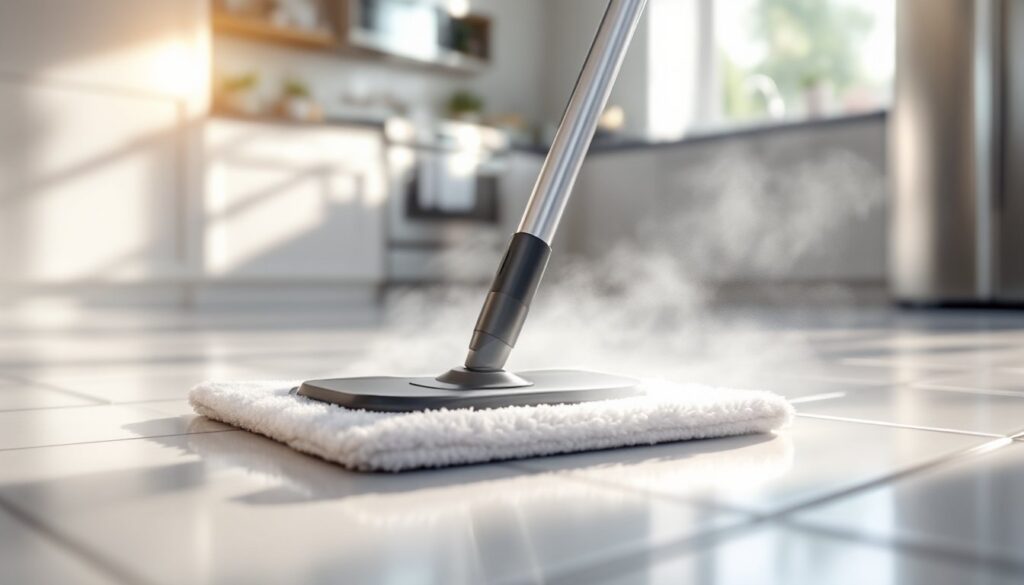
A Swiffer Steam Mop is an electric cleaning device that heats water in an internal reservoir and dispenses it as hot steam through a disposable or reusable microfiber pad. The heat and moisture work together to loosen dirt, grime, and bacteria from floor surfaces without requiring chemical cleaners. Most units heat up within 30 seconds to 2 minutes, making them faster than traditional mopping setups.
The basic mechanism is straightforward: water fills a tank, an internal heating element brings it to approximately 200–250°F, and a trigger releases the steam onto the pad beneath the mop head. The heated microfiber pad glides across the floor, lifting dirt while the steam sanitizes the surface. No mess, no bucket water, no wringing, just swipe and move on.
Swiffer Steam Mops come in several styles. The classic upright model resembles a traditional mop with a long handle, while compact handheld versions tackle stairs, baseboards, and tight corners. Tank capacity varies, typically ranging from 400 to 700 milliliters (roughly 13 to 24 fluid ounces), which translates to 20 to 40 minutes of continuous cleaning before refilling.
Key Features and Advantages for Homeowners
Chemical-Free Cleaning Power
The biggest selling point of a steam mop is that hot steam alone kills most germs and bacteria without harsh chemicals. Laboratory testing shows that steam mops can reduce household bacteria, viruses, and allergens by 99% when used correctly. This matters if you have kids, pets, or household members with respiratory sensitivities.
Because you’re not using bleach, ammonia, or enzyme-based floor cleaners, there’s no chemical residue left on your floors, which means less risk of streaks and buildup over time. Your baseboards and grout stay cleaner longer without the film that traditional floor cleaners can leave behind. If you’re concerned about environmental impact, steam cleaning is a genuinely greener option.
Speed and Convenience
Once your mop heats up, you can clean a typical 1,000-square-foot home in 30 to 45 minutes, depending on soil level and your pace. A traditional mop-and-bucket approach takes longer because you’re constantly rinsing and wringing. Steam mops cut that time significantly, and there’s no heavy bucket to carry. The lightweight design, most units weigh between 3 and 6 pounds, makes them accessible for older adults and people with mobility concerns.
Dispensable microfiber pads (the most common pad type) are inexpensive and easy to swap out. Reusable pads save money long-term if you’re willing to toss them in the washer. Experts from cleaning product testing organizations have validated that modern steam mops offer comparable or superior cleaning performance to conventional methods when used on appropriate surfaces.
How to Use Your Swiffer Steam Mop Effectively
Proper technique makes a real difference in how well your steam mop performs and how long your floors last.
Prep Your Space
Remove loose dirt, dust, and pet hair with a broom or vacuum first. Steam works on already-damp or wet dirt, so dried debris can smear across your floor instead of being lifted. Take 5 minutes to clear larger debris, it’s the single most important step most homeowners skip.
Fill and Heat
Fill the reservoir with distilled water (not tap water, which can leave mineral deposits and clog the heating element over time). Tap the power button and wait for the unit to signal it’s ready, usually a beep or LED indicator. This typically takes 30 seconds to 2 minutes depending on your model. Don’t rush this step: attempting to use the mop before it’s fully heated reduces cleaning power and can damage the heating element.
Mop in Overlapping Passes
Attach your microfiber pad and position the mop at one corner of the room. Trigger the steam release as you push the mop forward in slow, deliberate strokes. Overlap your passes slightly (aim for about 6 inches of overlap) to ensure even cleaning. Light pressure is all you need, the steam does the work, not muscle. Pushing too hard can actually reduce contact time between the heat and the floor surface.
Handle High-Traffic Zones
Areas near entryways and under dining tables collect more grime. If your first pass doesn’t remove stubborn marks, make a second pass rather than pressing harder. Pausing briefly over problem spots gives the steam time to penetrate and loosen buildup.
Empty and Dry
After finishing, empty any remaining water from the tank to prevent mineral accumulation and mold growth inside the reservoir. Leave pads to air-dry on a clean surface. Storing damp pads encourages bacterial growth.
Best Floors and Surfaces for Steam Mopping
Not all flooring responds equally to steam mops. Understanding which surfaces work best protects your investment in flooring and prevents damage.
Tile and Grout
Sealed ceramic and porcelain tile are steam-mop friendly. The heat sanitizes grout lines exceptionally well, breaking down soap scum and mineral buildup that scrub brushes struggle with. This is where steam mops truly excel. Natural stone tile (marble, limestone, slate) should be sealed before steam mopping: porous unsealed stone absorbs moisture and can warp or stain.
Luxury Vinyl Plank (LVP) and Vinyl Flooring
Modern LVP with waterproof cores handles steam mopping if you keep moisture minimal. The key is quick passes without lingering steam, wet the pad but don’t flood the floor. Avoid older vinyl or linoleum: excessive heat and moisture can cause the material to bubble, cup, or separate from the subfloor. Always check your LVP manufacturer’s care guide before steaming.
Hardwood (Proceed with Caution)
Finished hardwood can be steam mopped, but it’s risky. Wood naturally expands and contracts with moisture changes. Even sealed hardwood isn’t impervious: excess moisture can seep through the finish and cause cupping (edges curling up) or crowning (center bulging). If you choose to steam hardwood, use minimal steam, work quickly, and immediately wipe up excess moisture with a dry cloth. Many manufacturers void warranties on hardwood if a steam mop is used, so check your flooring documentation first.
Laminate
Laminate is generally not recommended for steam mops. The material consists of layers glued together, and moisture can seep into seams, causing delamination and swelling. A damp mop is safer: reserve your steam mop for tile and sealed vinyl.
Concrete and Grout
Indoor sealed concrete floors and concrete basements with sealed finishes respond well to steam cleaning. Unsealed concrete absorbs moisture: check your concrete’s sealer status before steaming. According to home maintenance guides, understanding your floor material and its moisture tolerance is critical before buying any cleaning equipment.
Maintenance and Care Tips
Your steam mop needs regular care to stay reliable and effective.
Descale Your Reservoir
Mineral deposits from tap water clog heating elements and reduce steam output over time. Descale your mop every 2 to 4 weeks if you have hard water, or monthly regardless. Fill the tank with equal parts white vinegar and distilled water, let it sit for 15 minutes, then run the mop over a sink or bathtub to push the vinegar solution through the heating chamber. Rinse thoroughly by running clean distilled water through. This 10-minute maintenance job adds years to your mop’s lifespan.
Replace Pads on Schedule
Disposable microfiber pads lose effectiveness after 3 to 5 uses, depending on soil level. A worn pad still moves steam onto your floor, but it doesn’t lift dirt as effectively. Reusable pads last longer but need washing in plain hot water without fabric softener or dryer sheets (these leave residues that interfere with steam absorption).
Check Seals and Connections
Once every few months, inspect the rubber gasket around the water tank opening and any quick-connect fittings. If gaskets are cracked or hardened, water leaks and steam escapes prematurely. Replacement gaskets are inexpensive and available from most manufacturers. Leaks waste water and reduce cleaning power.
Store Properly
Store your mop in a cool, dry place away from direct sunlight. Empty the tank completely before long-term storage. Don’t leave water sitting in the tank for weeks: it encourages mold and mineral precipitation. If storing for more than a month, run the vinegar-and-water descaling solution through once more, then flush with distilled water, to prevent internal corrosion.
Safety Reminders
Steam mops reach temperatures that can cause serious burns. Always wear closed-toe shoes and avoid touching the mop head or pad during operation. Keep the cord out of foot traffic to prevent tripping. If you have children or pets, supervise use carefully, a curious toddler or cat can knock the mop over or touch a hot pad. Never leave a powered steam mop unattended.