Table of Contents
ToggleIf you’ve got hard floors, you know the drill: sweep, mop, repeat. The Tineco iFloor 3 Ultra promises to collapse that two-step into one, handling wet and dry messes with a cordless machine that doesn’t look like it belongs in a janitor’s closet. We’ll walk you through what this vacuum actually does, whether it lives up to the hype for homeowners, and if the price tag makes sense for your household. This isn’t marketing fluff, it’s what the machine delivers in real kitchens, mudrooms, and entry halls.
Key Takeaways
- The Tineco iFloor 3 Ultra combines vacuuming and mopping into a single step with its wet-dry hard floor cleaner, eliminating the need for separate tools and saving significant cleaning time for homeowners with 40%+ hard flooring.
- The dual-tank system keeps clean water separate from dirty water, preventing grime from spreading back onto floors, while automatic self-cleaning cycles reduce manual maintenance compared to traditional mops.
- With a 60-minute runtime (2500mAh battery), the cordless design covers most standard homes in one cleaning session, though larger homes above 2,000 square feet may require a mid-clean charge.
- Smart water management technology automatically adjusts output based on floor moisture, protecting sensitive laminate and vinyl floors from oversaturation while preventing damage like swelling or warping.
- At $600–$800, the Tineco iFloor 3 Ultra represents a significant investment best suited for homes with substantial hard flooring; budget additionally for replacement parts ($25–$60 each) and potential repairs within 4–5 years.
- Real-world performance includes minor limitations: floors remain slightly damp post-cleaning (requiring 5–10 minutes air-dry time), and thick debris benefits from pre-rinsing, making it ideal for everyday messes rather than heavy-duty cleaning.
What Makes the Tineco iFloor 3 Ultra Stand Out
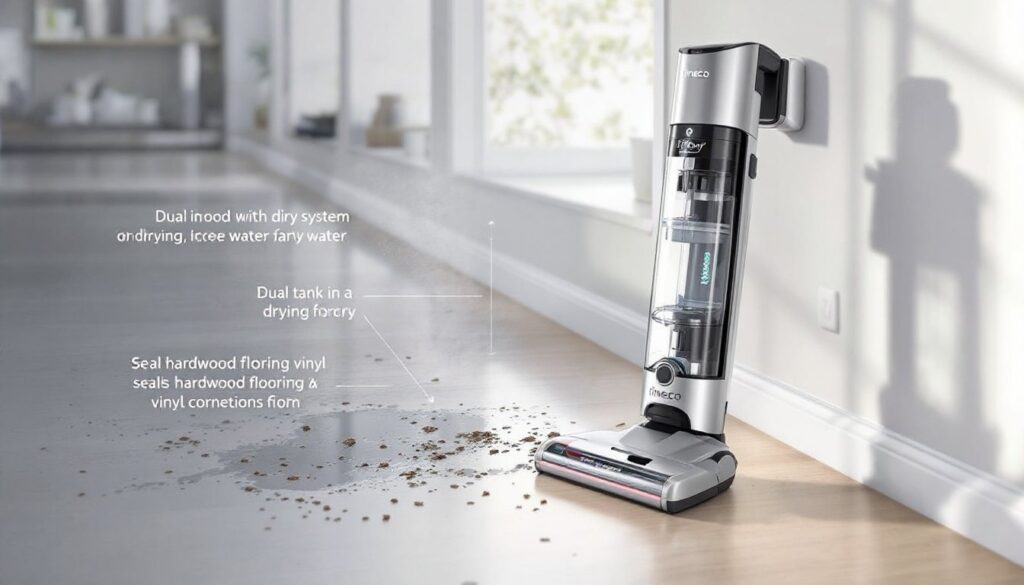
The Tineco iFloor 3 Ultra sits at the intersection of two cleaning jobs that most homeowners handle separately: vacuuming and mopping. Unlike traditional upright vacuums, this is a wet-dry hard floor cleaner, it sucks up debris, then washes and dries the floor in one pass. For homes with significant hard flooring (tile, laminate, vinyl, sealed hardwood), that workflow change matters.
The standout move here is the dual-tank system. One tank holds clean water mixed with the Tineco cleaning solution: the dirty water goes into a separate tank during use. This prevents you from spreading yesterday’s grime back onto your floors. The self-cleaning cycle runs automatically after each session, flushing the brush and tubes, less maintenance headache than wringing out a traditional mop head.
That said, this isn’t a substitute for deep carpet cleaning or detailed grout scrubbing. Hard floors, solid surfaces, and light rugs are its sweet spot. Homeowners with wall-to-wall carpet won’t find much use here.
Key Features and Specifications That Matter
Cordless Power and Battery Performance
The 60-minute runtime on a full charge covers most homes in one go. Battery capacity is 2500mAh, which translates to roughly 30 minutes of active suction and 30 minutes of lower-power mopping mode. That split matters: if you’re just mopping a kitchen, you’ll make it further than if you’re running full power the whole time.
Charging takes about 4–5 hours from empty. There’s no quick-charge option, so plan accordingly. Most homeowners charge overnight, which works if weekly cleaning is your rhythm. The weight sits around 12 pounds, making it manageable for sustained cleaning without exhausting your arms, important if you’ve got 1,000+ square feet of hard flooring.
One practical note: the cordless design means no tangled cables, but it also means you’re tethered to battery life. Homes larger than 2,000 square feet of hard flooring might need a second charge mid-clean.
Smart Technology and Convenience
Tineco’s smart detection system monitors water temperature and floor moisture in real time. If the floor is already wet enough, the system reduces water output automatically. This prevents oversaturating laminate or vinyl, which can cause swelling or warping. The indicator light tells you when to refill the clean water tank and when the dirty tank is full, no guesswork.
Wi-Fi connectivity allows app-based notifications, though this is more convenience than essential. You’ll get alerts when maintenance is due and can check runtime stats. For homeowners who appreciate data, it’s a nice touch. For those who just want to clean and be done, you won’t miss it.
The brush roll is motorized and self-cleaning, which reduces tangles from hair and fibers. Manual brush rollers in traditional mops trap debris: this one spins it out. It’s a legitimate time-saver if you’ve got pets or long hair in the household.
Real-World Performance for Your Home
In actual use, the Tineco iFloor 3 Ultra handles everyday messes quickly. Spilled juice, muddy footprints, and dust bunnies disappear in one pass. The suction is strong enough to pull dirt from grout lines without waiting for a separate vacuum first. For a morning cleanup after breakfast or a quick tidy before guests arrive, it’s faster than the traditional sweep-mop combo.
The drying performance is honest: it leaves floors slightly damp rather than bone-dry. Expect 5–10 minutes of air-drying before the floor is fully walkable, depending on humidity and room temperature. In summer or well-ventilated spaces, this isn’t a problem. In humid basements or closed kitchens, you might want to crack a window.
One strength: it handles transitions between room types without fussing. Moving from tile kitchen to vinyl hallway to sealed wood living room takes no adjustments. The machine figures out water output on its own. That’s genuine convenience for open-concept homes.
Where it stumbles is with thick, stuck-on debris, dried mud or food residue benefits from a quick rinse first. It’s not a heavy-duty floor scrubber. For sealed hardwood floors, test on an inconspicuous area first: some finishes are sensitive to water contact. Recent home maintenance guides recommend spot-checking any new tool on finished wood before full-floor use. Also, wet-dry vacuums of this type won’t pull water from under appliances or baseboards as thoroughly as a traditional wet vac, so those spots still need manual attention. The machine is designed for open floor space, not tight spots.
Is It Worth the Investment?
The Tineco iFloor 3 Ultra carries a mid-range price point (typically $600–$800 depending on sales and region). That’s a significant buy, so the math matters.
For homeowners with 40%+ hard flooring and regular foot traffic, the time savings add up. No switching tools, no separate mopping step, and auto-cleaning features mean less maintenance overhead. If you’re currently doing both a vacuum and mop on a weekly schedule, this collapses that task. Over a year, that’s real time recovered.
For smaller homes or those with mostly carpet, the economics don’t pencil out. A solid mid-range upright vacuum and a traditional mop handle the job adequately and cost less combined.
Consider durability too. Tineco machines have a mixed track record on longevity. Some owners report 3–4 years of reliable use: others hit battery degradation or motor issues sooner. The warranty covers manufacturing defects, but accidental damage or wear from heavy use isn’t included. Budget for potential repairs or replacement in the 4–5 year window.
Durable alternatives exist. Smart home product reviews regularly compare wet-dry cordless machines, and some competing brands offer longer warranty terms. Compare warranty coverage alongside price: a cheaper machine with a 2-year warranty might cost more in the long run than a pricier option with 5-year coverage.
One hidden cost: replacement tanks, brush rolls, and filters. Tineco’s proprietary parts aren’t cheap. A replacement tank runs $40–$60, and brush rolls cost $25–$35. Factor those into the lifetime cost if you plan to use this for years.
Conclusion
The Tineco iFloor 3 Ultra delivers real convenience for homeowners with substantial hard flooring. It consolidates two cleaning steps into one, cuts weekly cleaning time, and handles everyday messes without fuss. Battery life suits standard homes, and smart water management keeps finishes safe.
The price and ongoing parts costs demand honest consideration. If hard floors dominate your home and convenience is worth the investment, it’s a solid choice. If you’re cleaning mostly carpet or working with a tight budget, traditional methods still win. Test it in a showroom if you can, the feel of the machine and how it handles your specific floor types matters more than spec sheets.