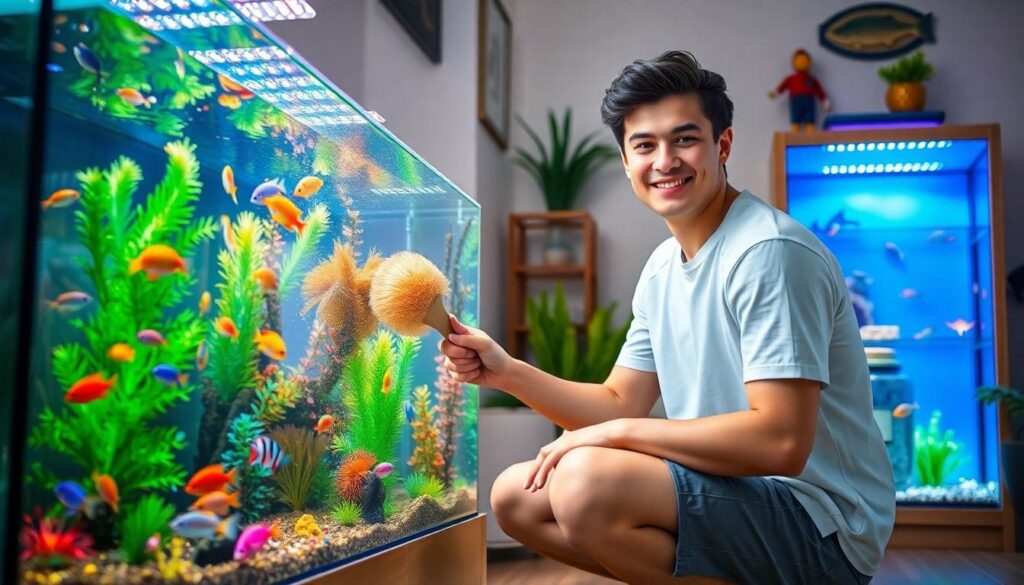
Keeping a home aquarium is like hosting a tiny underwater party. Fish are the guests, and they expect a good time. But just like any party, it requires a bit of maintenance to keep the vibes flowing and the water sparkling. Neglecting your aquatic pals can lead to an algae rave that no one wants to attend.
Understanding Home Aquarium Maintenance
Home aquarium maintenance ensures a vibrant and healthy environment for aquatic life. Regular upkeep plays a critical role in preventing issues like algae blooms and promoting fish well-being.
Importance of Regular Maintenance
Regular maintenance prevents water quality decline that can harm fish health. Checking water parameters weekly ensures proper levels of pH, ammonia, and nitrate. Performing partial water changes, about 10-15% each week, removes toxins and maintains clarity. Cleaning filters every month helps avoid debris buildup, promoting adequate water flow. Inspecting equipment regularly also ensures everything functions properly, minimizing the risk of major failures.
Benefits of a Well-Maintained Aquarium
A well-maintained aquarium creates a vibrant habitat for fish, enhancing their colors and activity levels. Healthy water improves fish longevity, often extending lives by several years. Clean environments also reduce stress, allowing fish to display natural behaviors. Regular maintenance fosters a balanced ecosystem, positively impacting plant growth and overall aesthetics. Increased clarity enhances enjoyment, making it pleasant for owners and guests alike.
Essential Equipment for Aquarium Maintenance
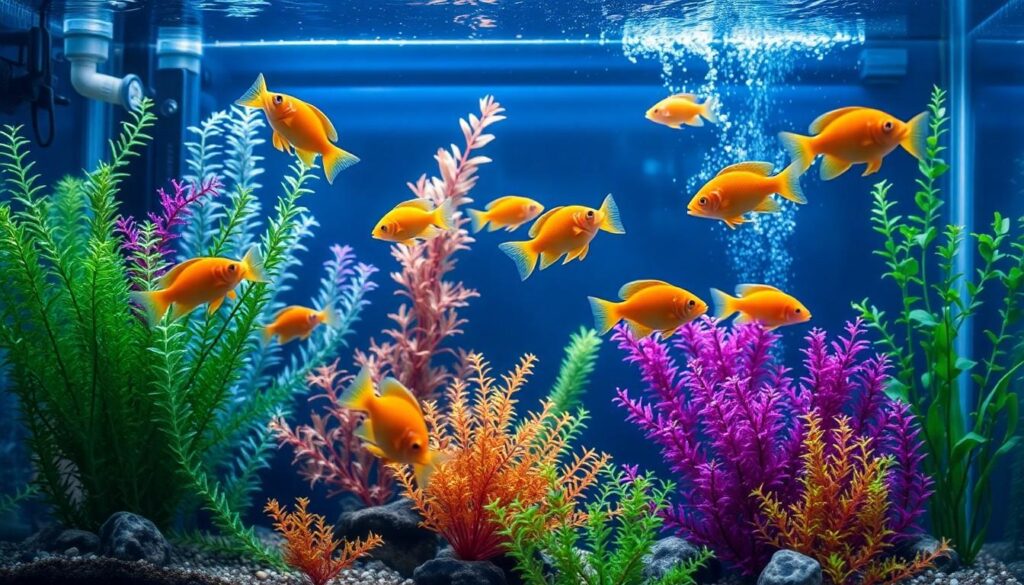
A well-maintained aquarium relies on essential equipment to ensure fish thrive. Key components contribute to a healthy underwater environment.
Filters and Pumps
Filters play a vital role in maintaining water quality. They remove debris, toxins, and excess nutrients that can harm fish. Regularly checking and cleaning filters prevents blockages, ensuring optimal performance. Pumps circulate water, promoting oxygenation and even temperature distribution. Maintaining these devices helps prevent algae growth and ensures a balanced ecosystem. Replace filter media as necessary to maintain effectiveness.
Lights and Heaters
Aquarium lights enhance the visual appeal and support plant growth. Different species require varying light levels, making it essential to select appropriate lighting fixtures. Keep an eye on timers for consistent day-night cycles. Heaters keep water temperatures stable, crucial for the wellbeing of tropical fish. Regularly monitor temperatures with a thermometer to prevent fluctuations. Adjust settings based on specific needs to maintain a comfortable habitat. Proper lighting and heating create a vibrant environment for aquatic life.
Routine Maintenance Tasks
Regular maintenance tasks are key to keeping a home aquarium healthy and vibrant. These tasks include water testing, cleaning, and performing water changes.
Water Testing and Treatment
Testing water conditions is vital to ensure fish thrive. Parameters such as pH, ammonia, nitrites, and nitrates need monitoring at least once a week. Various testing kits allow for easy assessment of these factors. Adjustments may be necessary if values fall outside the ideal range. It’s essential to treat the water whenever issues arise, using appropriate chemicals to stabilize conditions. Regular testing promotes fish health and prevents undesirable issues.
Cleaning and Water Changes
Cleaning the aquarium helps maintain a balanced ecosystem and improves water quality. Routine cleaning includes removing algae and debris from tank surfaces. Performing partial water changes of 10-15% weekly prevents toxic buildup and enhances clarity. When changing water, it’s important to use a water conditioner to eliminate harmful substances. Regular cleanings support fish vitality and overall tank aesthetics, creating a stable environment for aquatic life.
Common Problems and Solutions
Home aquarium enthusiasts often face challenges that can impact the well-being of their aquatic life. Identifying issues early and applying effective solutions ensures a thriving environment.
Algae Growth Issues
Excessive algae growth presents a common concern for aquarium owners. Factors contributing to this problem include nutrient overload, improper lighting, and inadequate water circulation. Maintaining a balanced diet for fish reduces organic waste that fuels algae. Limiting light exposure to eight to ten hours daily helps prevent overgrowth. Regular cleaning of surfaces and equipment removes established algae. Implementing proper filtration enhances water clarity and reduces nutrient levels. In severe cases, introducing algae-eating species like snails or certain fish species can effectively control algae populations.
Fish Health Concerns
Monitoring fish health is crucial for maintaining a vibrant aquarium. Signs of distress include unusual swimming patterns, loss of appetite, or visible lesions. Testing water parameters regularly ensures stability. Ammonia and nitrite levels must remain at zero, while nitrate levels should be kept below 20 ppm. In cases of illness, isolating affected fish and treating with appropriate medications or salt baths aids recovery. Prioritizing a varied diet boosts immune systems and enhances overall vitality. Quarantining new fish for a few weeks prevents disease transmission to established tank inhabitants. Taking these steps fosters a healthier and more resilient aquarium environment.
Tips for Successful Home Aquarium Maintenance
Maintaining a home aquarium requires diligence and attention. Consistency is key for a thriving aquatic environment.
Scheduling Maintenance Tasks
Establishing a regular maintenance schedule helps ensure aquarium health. Set aside time each week for vital tasks, including water testing and partial water changes between 10% to 15%. Monthly activities like filter cleaning and equipment checks enhance water quality and prevent problems. Encourage a routine that includes lighting adjustments based on plant needs and fish behaviors. Keeping track of any unusual changes in the aquarium fosters immediate attention and care.
Keeping an Aquarium Journal
Recording observations in an aquarium journal proves invaluable. Documenting daily activities and changes in water parameters provides insight into trends and potential issues. Include notes on fish behavior, feeding schedules, and maintenance tasks to monitor the aquarium’s overall health. Observations about algae growth or illness in fish highlight areas requiring attention. Tracking this information aids in creating a sustainable environment for aquatic life, enhancing enjoyment for both the fish and their owner.
Maintaining a home aquarium is a rewarding endeavor that requires commitment and attention to detail. Regular maintenance not only supports the health and happiness of fish but also enhances the overall beauty of the aquarium. By following a consistent schedule for water testing, cleaning, and equipment checks, owners can prevent common issues and create a thriving underwater environment.
Implementing these practices fosters a balanced ecosystem that benefits both aquatic life and their caretakers. With diligence and care, anyone can enjoy the vibrant colors and lively activity of a well-maintained aquarium for years to come.