Toothpaste dispensers promise less mess and wasted toothpaste than squeezing a tube by hand every day. The real question is whether that promise holds up once you factor in the purchase price and the upkeep.
A toothpaste dispenser looks simple on the shelf, but the actual savings depend on habits most Australian households never measure. Made Minimal stocks bathroom accessories built for these everyday decisions, where small purchases can affect daily convenience, cleaning routines, and long-term value.
This article breaks that decision down properly with real data and household statistics. You’ll find all about the upfront cost, where the yearly savings come from, and features worth paying for.
Stay with us, and you’ll have a clear view of what the shift means for your household income.
How Much Does a Toothpaste Dispenser Cost Upfront?
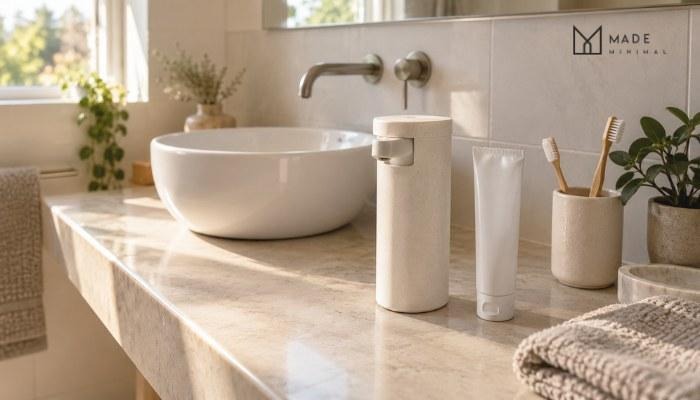
A basic countertop toothpaste dispenser costs $15 to $25, and premium wall-mounted models run $75 to $300, based on current Australian retail listings. In general, motion sensors, rechargeable batteries, and touch panels are what push a wall-mounted dispenser toward the higher end.
A manual pump skips those extras and keeps the build simpler in comparison. But don’t worry, a basic pump provides the same core function as a feature-packed item, just without the extra cost.
If you don’t need a hands-free install, going manual saves you that $50-plus jump in price. Either option gets the job done, so the choice comes down to convenience versus cost, and how much attention you want to give the upgrade.
Where Does the Real Saving Come From Each Year?
Most people squeeze out a larger amount of toothpaste than the recommended pea-sized portion for each brush, and that gap is where the savings sit.
Look at the numbers below, and you’ll understand:
| Amount Used Per Brush | Toothpaste Used | Standard 115g Tube Lasts |
|---|---|---|
| ADA-recommended (pea-sized) | ~0.25g | ~450 brushes |
| Typical “full stripe” overuse | ~1g | ~115 brushes |
A pea-sized dose of roughly 0.25g per brush is all you need. A standard 115g tube of toothpaste stretches to around 450 brushes at that amount, based on these estimates. However, most people apply closer to a full stripe, which cuts that same tube down to only about 115 brushes (that’s almost four times the waste).
A toothpaste dispenser, however, controls the dose for you, so every brush uses closer to the ideal, recommended amount. The savings depend on how many people use the dispenser and how much toothpaste your household previously wasted during each brushing routine.
Whichever the case, even a small percentage drop in daily use adds up across a full year.
What Does This Mean for Your Household Income and National Accounts?

Before deciding if this saving is worth chasing, it helps to see where it sits in the larger household picture. Toothpaste spending is a tiny slice of a family’s income, even when you factor in waste.
Personal care items like toothpaste fall under Household Final Consumption Expenditure. It’s a national accounts category that’s included in the GDP each quarter. And it shows how small a single bathroom purchase looks against total household net disposable income in Australia.
A toothpaste dispenser won’t shift your overall household budget, in the grand scheme of things. What it does is remove one small, steady source of waste from your weekly routine and frees up a small amount for other essentials.
Beyond the cost, it also keeps your bathroom cleaner by reducing leftover paste around the sink and counter. The controlled dispensing makes it easier for children and adults to use a consistent amount each time they brush.
Which Dispenser Features Actually Reduce Mess and Bacteria?
A quality toothpaste dispenser cuts mess, bacteria contact, and bench clutter. Across the bathroom setups we’ve reviewed, the features mentioned below earn their keep:
- Touchless Motion Sensor: A built-in sensor releases toothpaste without needing hands to press or squeeze anything. This cuts down on direct contact between fingers and a nozzle shared by the household.
- Wall-Mounted Placement: One detail people skip past is where the unit sits on the wall. Mounting it on the wall keeps toothpaste residue off the counter and stops buildup around the base.
- Sealed Dispensing Nozzle: A sealed tip stops air and moisture from reaching the toothpaste inside. Dispensers without this feature often develop a dried, crusty film around the opening.
- Natural Materials Like Bamboo or Ceramic: Bamboo and ceramic have smoother surfaces than most plastic housings and wipe clean faster. Bamboo and ceramic also resist staining better over time.
- Wide Tube Compatibility Range: Some units accept tubes from 1 to 1.75 inches wide, which covers most standard and family-sized packaging. That range gives you flexibility if you switch toothpaste brands often.
- Non-Stick Interior Coating: An internal coating stops toothpaste from clinging to the walls of the chamber. Less residue inside means less cleaning work and more product reaching the brush.
Not every product line includes all of them, so it pays to check details before buying. Durable materials and a few smart design choices go a long way toward keeping the dispenser genuinely low-maintenance and giving your bathroom a tidier aesthetic overall.
Are Refill Cartridges Worth the Extra Hassle?
Some toothpaste dispensers lock you into proprietary cartridges, while others work with any standard tube. That single design choice affects both the ongoing cost and how easily you can switch products down the track. The two sections below cover what to check before you commit to either kind of system.
Cartridge Cost Versus Reusing Your Own Tube
Some toothpaste dispensers need proprietary refill cartridges, and these often cost more per fill than a standard tube. A household replacing a cartridge every month could end up spending considerably more over a year than they would on regular tubes bought at the supermarket.
Other dispensers skip this problem entirely, since they’re built to hold any standard tube you already buy. That design controls your ongoing cost, rather than just the upfront price tag on the box.
Checking Tube Compatibility Before You Buy
Certain toothpaste tubes may not fit specific dispensers, especially those with wider or flat-style packaging. That’s why we suggest checking compatibility before you purchase. It’ll help you avoid being locked into an expensive, brand-specific refill system (a five-minute check that saves a return headache later).
Look at the product listing or check price tags in-store to confirm which sizes match before deciding.
When Is a Toothpaste Dispenser Not Worth Buying?
Not every bathroom needs a toothpaste dispenser. Frankly speaking, a few situations make the upgrade less worthwhile than it first appears. This comes down to your habits, instead of the product itself.
The following situations are worth considering before you buy:
- Living Alone or With One Other Person: With only one or two people using toothpaste, a dispenser may save very little over time. The upfront cost could therefore take years to recover through reduced toothpaste waste.
- Sharing a House With Separate Toothpaste Habits: In a shared house, each person often buys and manages their own tube. A communal dispenser doesn’t suit that kind of personal, individual setup.
- Renting With Wall-Mount Restrictions: Many rental agreements limit drilling or permanent fixtures on bathroom walls. That rules out wall-mounted models, leaving only bulkier countertop versions as an option.
- Preferring a Minimal Bathroom Aesthetic: If bench clutter isn’t already a problem in your home, adding a new fixture solves an issue that doesn’t exist. A regular tube keeps things simpler and easier to store.
For some families, the balance tips toward sticking with what already works. A dispenser earns its place only when it solves a genuine, everyday inconvenience.
Is the Switch Worth It for Your Bathroom?
A toothpaste dispenser offers better value for families that regularly waste toothpaste through overuse or messy tubes. For low users, renters, or anyone happy with the current setup, a standard tube still does the job well.
So weigh the upfront cost against your household’s actual habits before deciding. That’s the real test of whether this swap pays off.
After deciding, check out Made Minimal’s website. We stock a range of bathroom accessories built to keep small spaces functional and tidy. Browse the full range to find pieces that suit your bathroom’s budget and style.